Manila Typeface: Elevating Handmade Product Branding
The studio is quiet, save for the hum of the printer and the soft scratch of a stylus against the tablet. I am staring at a mockup for a new line of soy candles, trying to find that perfect balance between rustic charm and modern elegance. The label design feels flat. It’s functional, but it lacks soul. I need something that whispers "handcrafted" without shouting it. That is when I pull up Manila, an enchanting handwritten font from Script Amp Fonts, and suddenly, the entire composition shifts.
There is a specific magic in seeing a digital typeface come to life on physical materials. It is one thing to see Manila on a screen; it is another to watch it flow across a kraft paper sticker or emboss subtly onto a boutique tag. This script font has a wide spectrum of applications, ranging from intimate greeting cards to bold store signage, and today, I want to share how this versatile tool can transform your handmade products and shop branding.
The Visual Personality of Manila
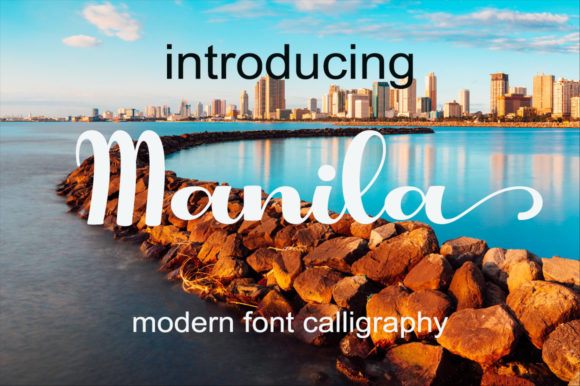
Manila is not just a font; it is a mood. Visually, it carries a relaxed, organic rhythm that mimics natural handwriting without sacrificing legibility. It feels personal, like a note left by a friend, yet structured enough to maintain professional polish. For makers who sell emotional experiences—whether through wedding stationery, cozy home decor, or personalized gifts—this emotional appeal is crucial.
When you use Manila, you are injecting warmth into your brand identity. It avoids the stiffness of formal calligraphy while steering clear of the chaotic messiness of some raw brush scripts. Instead, it offers a clean, flowing aesthetic that suggests care and attention to detail. This perceived quality can significantly influence customer recognition. When a buyer sees Manila on a product tag, they subconsciously associate that fluidity with the craftsmanship of the item itself.
From Digital Mockups to Physical Products
I recently used Manila to redesign my seasonal packaging for a holiday candle collection. Previously, I had been using a rigid serif font that felt too corporate for my artisanal brand. Swapping in Manila changed everything. I applied it to small cellophane tags tied with twine, and the contrast between the rough texture of the jute string and the smooth curves of the letters was stunning.
This versatility extends far beyond labels. Here is how I have integrated Manila into various aspects of my creative workflow:
- Candle and Soap Labels: The font’s moderate weight makes it highly readable on small surfaces. I use it for the product name and scent description, pairing it with a simple sans serif font for ingredients to create hierarchy.
- Greeting Cards and Invitations: For wedding invitations or birthday cards, Manila serves as a beautiful display font. It handles short phrases, names, and titles with grace, adding a decorative flair that feels intentional rather than cluttered.
- Sticker Sheets: When designing vinyl stickers for planners or laptops, Manila allows for playful arrangements. Its ligatures and swashes let me create unique wordmarks that stand out in a crowded market.
- Tote Bags and Apparel: Printing Manila on cotton totes requires careful consideration of print method, but the result is a trendy, editorial look. It pairs exceptionally well with minimalist graphic elements, creating a high-end boutique feel.
- Digital Printables: As a creator of downloadable wall art and planner pages, Manila adds a touch of personality to quotes and headers. It helps digital products feel less generic and more curated.
Practical Typography Tips for Makers
While Manila is enchanting, successful product design relies on readability and proper application. Not every situation calls for a script font, and understanding where Manila shines will save you time and reduce waste.
Best Uses for Short Phrases and Display Text
Manila is best suited for short phrases, names, titles, and decorative wording. It is a display font, meaning it is designed to be seen, not read in bulk. Using it for long paragraphs of text on packaging instructions or legal disclaimers will frustrate your customers. Reserve Manila for the hero text—the part of the design that grabs attention first.
For example, on a farmhouse sign, I might use Manila for the main quote ("Gather," "Home," or "Bless This Home") and pair it with a clean sans serif font for any secondary details. This combination ensures that the artistic intent is clear while maintaining accessibility.
Readability on Small Formats
When working with small stickers, product labels, or printed cards, test your designs at actual size before committing to production. Manila’s handwritten nature means that some characters may connect or overlap slightly. Ensure that the kerning (spacing between letters) remains open enough to be legible when scaled down. If you are using cutting machines like Cricut or Silhouette, double-check that the intricate parts of the letters do not break apart during the weeding process.
The Power of Font Pairing
One of the most effective ways to elevate your designs is through thoughtful font pairing. Manila’s organic flow contrasts beautifully with structured typefaces. I frequently pair it with:
- Clean Sans Serif Fonts: These provide a modern anchor, balancing the whimsy of the script. Ideal for contemporary brands and tech-savvy audiences.
- Simple Serif Fonts: A classic serif can add a touch of tradition and reliability, perfect for vintage-inspired or heritage-style products.
- Bold Display Fonts: For impactful social media graphics or poster designs, combining Manila with a heavy block letter creates dynamic visual tension.
Technical Considerations for Commercial Use
As a seller, protecting your work and respecting licensing agreements is paramount. Manila is PUA encoded, which means you can access all its characters easily within your design software. This encoding system allows for greater flexibility in customizing your designs, ensuring that you can utilize every alternate character and special glyph available.
Before using Manila for commercial products, always review the included styles, alternates, ligatures, and swashes. These features can differentiate your design from competitors. Additionally, check the file formats provided. Having both OTF and TTF versions ensures compatibility across different design programs, whether you are working in Adobe Illustrator, Photoshop, or Canva.
Multilingual support is another critical factor if you plan to expand your shop internationally. Verify that Manila supports the necessary character sets for your target markets. Furthermore, ensure you understand the commercial font licensing terms. Most premium fonts allow for use on physical products sold by the licensee, but restrictions may apply to reselling the font file itself or using it in unlimited digital templates. Always err on the side of caution and read the license agreement thoroughly.
Final Creative Touches
Incorporating Manila into your craft business is about more than just picking a pretty font. It is about curating an experience. Every time a customer picks up a product with Manila printed on it, they are engaging with a piece of your creative story. Whether you are designing boutique packaging, seasonal holiday tags, or elegant wedding welcome boards, this script font offers the charm and versatility needed to make your brand memorable.
Take the time to experiment. Play with sizes, colors, and textures. See how Manila interacts with gold foil, matte finishes, or embossed paper. The goal is to create designs that feel authentic and inviting. By choosing typography that aligns with your brand’s values, you build trust and loyalty with your audience. So, fire up your design software, grab your favorite coffee, and let Manila help you bring your next handmade masterpiece to life.